What happens if you die without a will in North Carolina
By Rod Burnett · Updated 2026-06-09
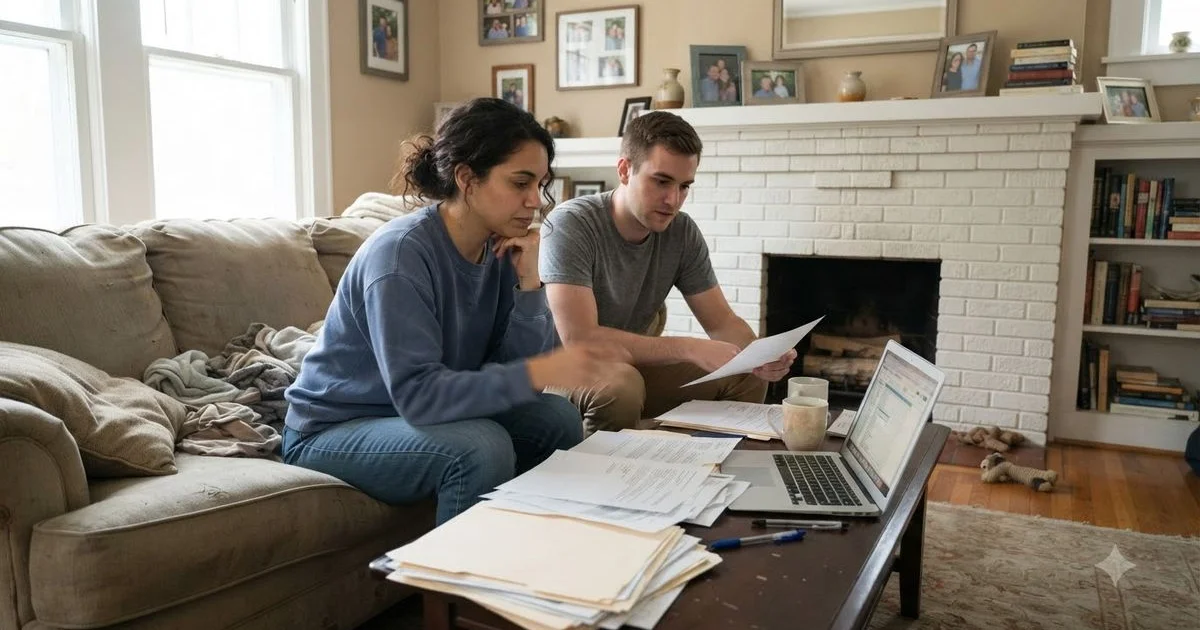
Dying “intestate,” the legal term for dying without a will, doesn’t mean your property goes to the state. That only happens in the rare case where no relatives can be found at all. What it actually means is that North Carolina law decides who inherits, using a fixed formula that ignores your actual wishes, verbal promises, or family dynamics.
This is general legal information, not legal advice for your specific situation. An estate planning attorney can confirm how intestate succession would apply to your family.
How North Carolina decides who inherits
North Carolina’s intestate succession statute lays out a strict order of priority: spouse and children first, then parents, then siblings, and further out from there if none of those survive you. The important detail most people don’t expect is that a surviving spouse usually does not inherit everything automatically. If you have children, the estate is divided between your spouse and children according to a formula that depends on how many children you have and whether any property is real estate.
| Family situation | Rough outcome under intestate succession |
|---|---|
| Married, no children | Spouse typically receives all or nearly all of the estate |
| Married, one child | Estate is split between spouse and child |
| Married, two or more children | Spouse’s share shrinks further as it’s divided among children |
| Unmarried, with children | Estate passes to children, divided equally |
| Single, no children | Estate typically passes to parents, then siblings |
| Unmarried partner, any situation | No automatic inheritance right at all |
These are general patterns, not a substitute for reading the actual statute against your family structure. An attorney can tell you exactly how the formula applies to your situation in a short conversation.
Where this goes wrong for real families
The formula doesn’t know about a second marriage, a stepchild you raised but never formally adopted, or a sibling you’re estranged from but who would still inherit by default. It also doesn’t know you wanted to leave something to a favorite charity, a close friend, or an unmarried partner. None of that happens under intestate succession. The law follows blood and legal relationships only.
Guardianship is the part parents miss
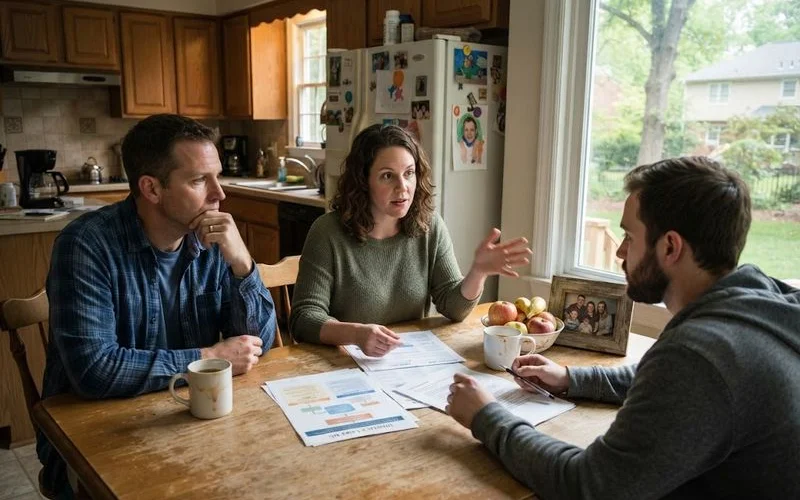
If you have minor children and both parents die without a will, the court decides who raises them. You may have a clear preference, a sibling or close friend you trust completely, but without it written into a will, a judge makes that call based on limited information. This is often the single strongest reason parents delay planning until it feels urgent, when a short conversation with an attorney could resolve it in one document. Our estate planning checklist for new parents walks through naming a guardian and the rest of what a new family needs first.
Probate still happens either way
A common misconception is that dying without a will avoids probate. It doesn’t. The court still has to open an estate, appoint someone to administer it (called an administrator instead of an executor), notify creditors, and distribute assets, just without your input on who that administrator is or how assets are divided beyond the statutory formula. It’s frequently a slower process than probate with a will, since the court has more decisions to make on your behalf.
What to do instead
A basic will is the simplest way to override the default formula: name your own beneficiaries, name a guardian for minor children, and name the executor you trust. It doesn’t need to be complicated to be effective. If your goals are more specific, like providing for a stepchild or an unmarried partner, a will is often the minimum starting point, sometimes paired with a trust or updated beneficiary designations.
Our directory of wills and trusts attorneys in Charlotte can help you find someone to draft a will that actually reflects what you want, rather than leaving it to the statute. You can browse our full estate planning attorney directory to compare firms, and our methodology page explains how we score and rank the attorneys listed so you know what the ratings are based on.
Putting a will in place doesn’t have to happen all at once. Even a simple document that names your beneficiaries, your executor, and a guardian for minor children closes most of the gaps intestate succession leaves open, and it can always be updated later as your family or assets change.
FAQ
- Does everything automatically go to my spouse if I die without a will?
- Not necessarily. If you have children, North Carolina law splits the estate between your spouse and children rather than giving your spouse everything. The exact split depends on how many children you have and what kind of property is involved.
- What happens to my kids if both parents die without a will?
- The court appoints a guardian for minor children, and without a will naming your preference, a judge decides based on the family's circumstances. This is one of the strongest reasons parents of young children are urged to have at least a basic will.
- Can an unmarried partner inherit if there's no will?
- No. North Carolina's intestate succession law only recognizes legal spouses and blood or adopted relatives. An unmarried partner, no matter how long the relationship, has no automatic inheritance right without a will or other planning.
- Is probate still required if there's no will?
- Yes, and it's often slower. Without a will naming an executor, the court appoints an administrator, and the process follows the same public court steps as regular probate, just without your input on who inherits what.