What to expect at your first meeting with an estate planning attorney
By Rod Burnett · Updated 2026-06-06
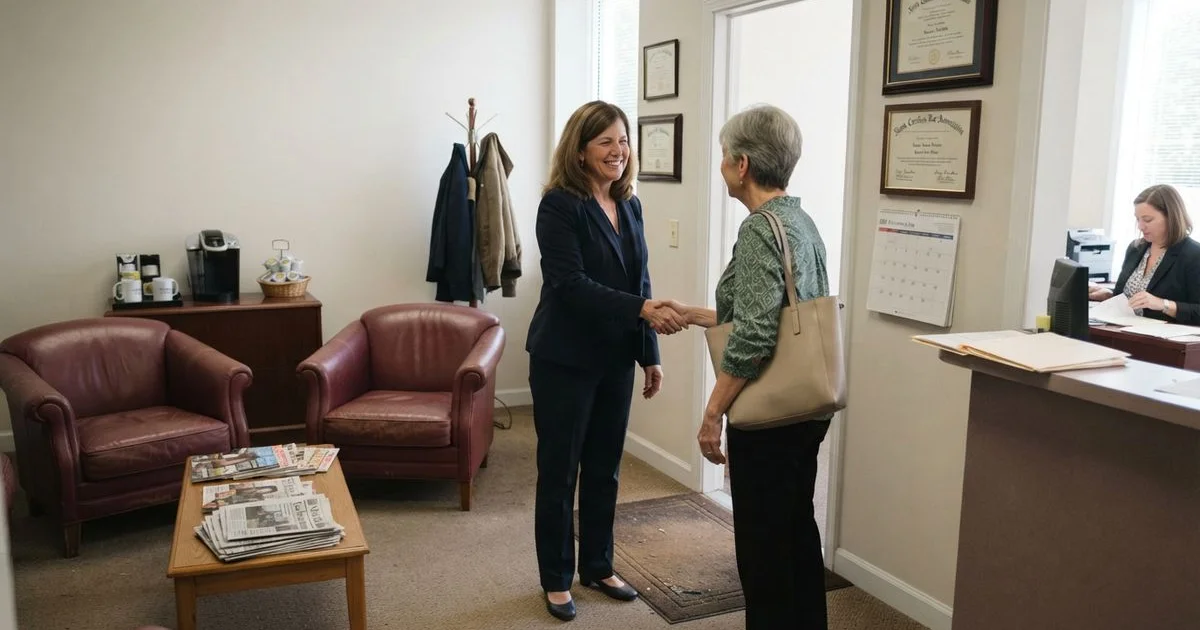
Booking a first meeting with an estate planning attorney is often the hardest part, not because the meeting itself is difficult, but because people don’t know what to expect walking in. Here’s what actually happens, step by step.
Before the meeting
Most firms send a short intake form ahead of time asking about your marital status, children, general asset picture, and what prompted you to plan now. Filling it out honestly, even roughly, saves time in the room. You don’t need exact account balances. A ballpark of what you own and owe is enough to start.
What the attorney covers in the first meeting
A good first meeting isn’t a sales pitch. It’s a fact-finding conversation that usually covers:
- Your family situation. Who you’re married to, your children, and anyone with a complicated relationship to your estate (a prior marriage, an estranged relative, a family member with special needs).
- What you own. Real estate, retirement accounts, life insurance, business interests, and anything with a beneficiary designation already attached.
- Who you’d trust with decisions. Executor, financial power of attorney agent, healthcare agent, and guardian for minor children if that applies.
- Your goals, not just your documents. Avoiding probate, minimizing family conflict, protecting a beneficiary with a disability, or simply making sure the basics are covered.
Questions a good attorney asks
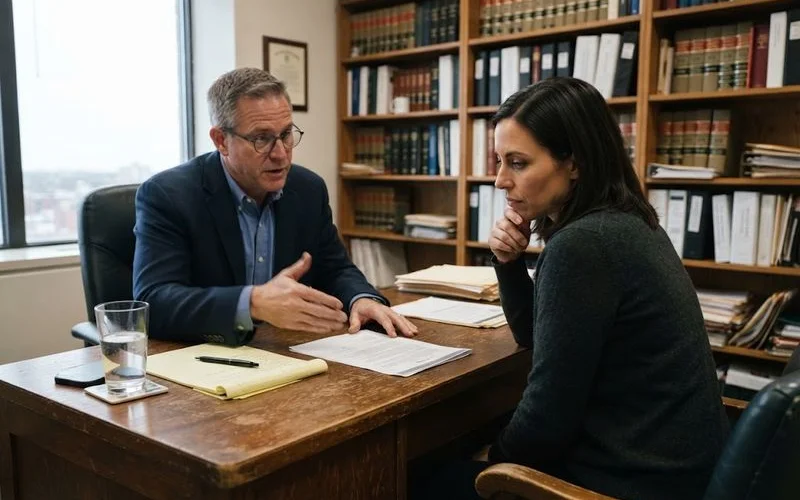
Watch for whether the attorney asks about your specific situation or just recites a document list. Strong signs include questions about blended families, out-of-state property, business ownership, or whether anyone in the family has a disability that affects benefits eligibility. These questions shape which documents you actually need, rather than which package happens to be the most popular seller.
What you’ll walk away with
By the end of the meeting, you should have a clear sense of which documents fit your situation, a rough fee quote, and a timeline for drafting and signing. Most firms turn around a first draft within one to three weeks of the meeting, faster for a simple will and longer for a trust with real estate to retitle.
Red flags to watch for
A first meeting that rushes you toward the most expensive package without explaining why, or one where the attorney can’t clearly answer what happens to your specific assets under the plan, is worth a second opinion. Estate planning is personal. The attorney should be able to explain your plan back to you in plain language, not just legal terms.
In-person or virtual
Many Charlotte-area firms now offer the first meeting by video call, which works fine for a straightforward will or power of attorney. Signing, on the other hand, usually has to happen in person, since North Carolina requires witnesses and notarization for a valid will. If your situation involves a trust with real estate, an in-person meeting can make it easier to walk through property details on paper together.
What happens between the meeting and signing
After the consultation, the attorney (or a paralegal) drafts the documents and sends them for your review, usually by email or a secure client portal. Read the draft closely: this is your chance to catch a misspelled name, a wrong address, or an executor you’ve changed your mind about, before it becomes a signed legal document. Most firms expect one or two rounds of revisions to be included in the flat fee; ask if additional changes are billed separately.
Making the most of the meeting
Come with questions, even basic ones. Ask what happens if you move out of state, how often you should review the plan, and what it costs to make changes later. A first meeting is also your chance to judge fit: estate planning documents outlive a single transaction, and you may work with this attorney again for updates over the years. Our directory lists Charlotte-area attorneys you can compare before booking that first call.
If you’re still comparing firms, our methodology page explains how we score and rank Charlotte-area estate planning attorneys, which can help you narrow down who to call first. A short first meeting with the right attorney is a small time investment against years of having your wishes clearly on record.
FAQ
- How long does a first estate planning consultation take?
- Most initial meetings run 45 minutes to an hour and a half. A simple will consultation tends to be on the shorter end; a couple discussing a trust with several properties or a business interest usually needs the longer version.
- Is the first meeting free?
- It depends on the firm. Some offer a free or low-cost initial consultation to scope the work; others charge a flat consultation fee that's credited toward the drafting fee if you move forward. Ask when you book.
- Do I need to bring anything to the first meeting?
- A rough list of your assets, account and property ownership details, names of people you might want as executor or agent, and current documents if you're updating an existing plan. You don't need everything finalized, just enough for the attorney to understand your situation.
- What if I don't know who to name as my executor or agent yet?
- That's a normal place to start from. A good attorney will walk through the tradeoffs of naming a spouse, adult child, sibling, or professional fiduciary, and you can decide during or after the meeting.