How probate works in North Carolina, step by step
By Rod Burnett · Updated 2026-06-13
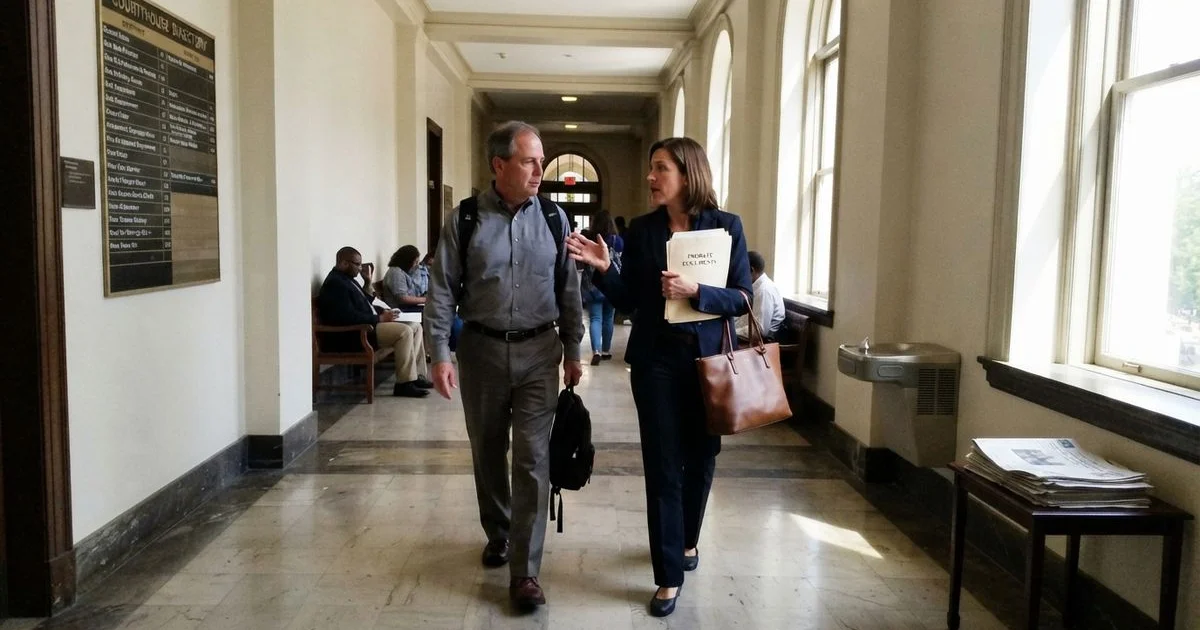
Probate is the court-supervised process of settling someone’s estate after they die: proving the will is valid, paying debts, and distributing what’s left to the right people. It has a reputation for being slow and confusing, but the actual steps are fairly linear once you see them laid out.
The general process
| Step | What happens | Rough timing |
|---|---|---|
| Open the estate | Executor files the will (if any) with the clerk of superior court and is formally appointed | First 30 days |
| Notify creditors | Public notice is published; creditors have a window to file claims | 90 days from first notice |
| Inventory assets | Executor lists everything the estate owns: accounts, property, personal items | Within 90 days of appointment |
| Pay debts and taxes | Valid claims and any final taxes are paid from estate funds | Ongoing through the claims period |
| Distribute assets | Remaining property goes to beneficiaries under the will, or by state law if none | After the creditor period closes |
| Close the estate | Executor files a final accounting with the court | Typically 6–18 months total |
This is the general shape for a standard estate. Estates that include real estate to sell, a business interest, or any disagreement among heirs usually take longer at the inventory or distribution stage.
Who does the work
The executor named in the will (or an administrator, if there’s no will) is legally responsible for every step. That includes locating assets, opening an estate bank account, filing tax returns for the estate, and keeping records the court can review. Most executors hire a probate attorney to guide the filings, even when the estate is simple, because a missed deadline or an improperly handled creditor claim can create personal liability.
Which court handles it
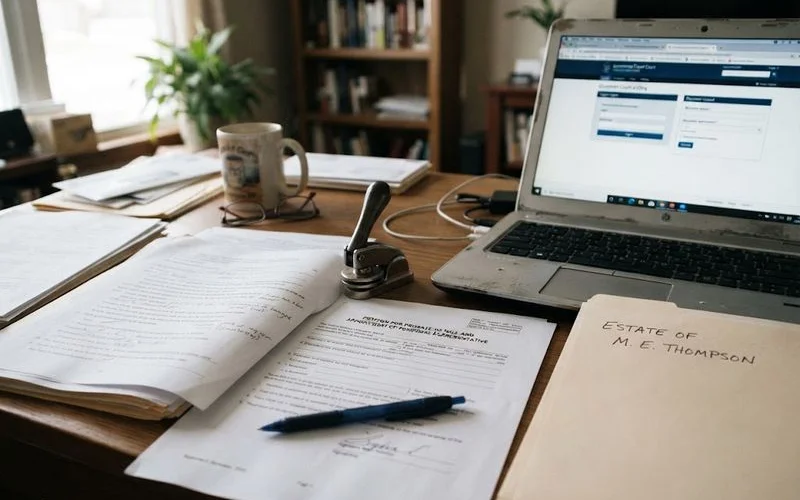
In North Carolina, probate is handled by the clerk of superior court in the county where the deceased person lived, not by a probate-specific court like some states use. That clerk’s office reviews the will, issues the executor’s authority (called letters testamentary), and receives the filings throughout the process. Each county’s clerk office has its own local practices and forms, which is part of why a local attorney who works with that specific clerk regularly can move things along faster than someone unfamiliar with the county.
What can slow probate down
A few things reliably add months to the timeline: real estate that needs to be sold before the estate can close, disagreement among beneficiaries about how assets should be divided, hard-to-value assets like a business interest, and missing or unclear beneficiary paperwork on accounts that should have passed outside probate. An attorney experienced with your county’s clerk of court can often anticipate these delays early and plan around them. Those delays usually add cost as well as time; our probate costs and fees guide breaks down what drives the total higher.
What doesn’t go through probate
Not everything in someone’s estate touches the probate process. Life insurance and retirement accounts with a named beneficiary pass directly to that person. Jointly owned property with rights of survivorship passes to the surviving owner automatically. Assets held in a revocable living trust are also outside probate, since the trust, not the individual, technically owns them. For smaller estates, North Carolina also allows a simplified small estate affidavit process that skips much of formal probate.
If you’re the executor
Being named executor is a responsibility, not just an honor. If you’ve just been named or appointed, your first calls should be to the clerk of superior court to open the estate and to a probate and estate administration attorney who can walk you through the specific filings your county requires. Trying to handle it entirely alone is possible for very simple estates, but a single missed notice deadline can create real personal liability, and most executors find it less stressful to have someone experienced double-checking each filing.
This is general information about how probate works, not legal advice for a specific estate. A probate attorney can confirm the exact steps and deadlines that apply to your situation.
Our directory lists probate attorneys across the Charlotte area, and our methodology page explains how those listings are scored and ranked.
FAQ
- How long does probate take in North Carolina?
- A straightforward estate often wraps up in six months to a year. Estates with real estate to sell, disputes among heirs, or complicated assets can take considerably longer, sometimes two years or more.
- Does every estate have to go through probate?
- No. Assets with a named beneficiary (like retirement accounts and life insurance), jointly owned property, and assets held in a trust typically pass outside probate. A small estate affidavit can also let heirs skip formal probate for modest estates.
- Who is responsible for handling probate?
- The executor named in the will, or an administrator appointed by the court if there's no will. That person is legally responsible for inventorying assets, paying debts and taxes, and distributing what's left according to the will or state law.
- Can probate be avoided altogether?
- Some of it, yes. A revocable living trust holds assets outside probate, and beneficiary designations do the same for specific accounts. Full avoidance usually requires planning ahead with an attorney, not something you can do after someone has already died.